
Visual Supports
Visual supports help young children understand ideas, build routines, and communicate more effectively by making information clear and easy to follow. From exploring early STEM concepts to supporting daily activities, visual cues promote independence and engagement. This collection offers tools, resources, and guidance to help families and educators use visual supports in ways that strengthen learning and support all young children.
Visual Cue Library
An online collection of images designed to support communication, learning, and behavior during playful STEM learning experiences. You can browse, search, and filter the library to find cues related to STEM concepts and topics or daily routine activities.
Additional Visual Supports

Beyond Specific STEM Concepts and Topics
While STEM learning and social-emotional development are connected, our partners at the National Center for Pyramid Model Innovations have developed a range of social-emotional topics. Head Start also has a set of visual supports related to classroom routines and activities.

Individualizing Visual Support
For subjects such as food, home environments, and family activities, create your own visual cues using photos of the things you and your child actually use and the places you go.
Learn more about using visual supports to support young children’s STEM learning in A Guide to Visual Support.

Visual Supports Checklist
Support all young children ages 0–5, with and without disabilities, in exploring STEM concepts as independently as possible through meaningful activities in their natural environments. This checklist helps you choose the most effective visual supports based on each child’s developmental level, needs, and everyday experiences, so you can create engaging and accessible learning opportunities.
Show and Tell Blog
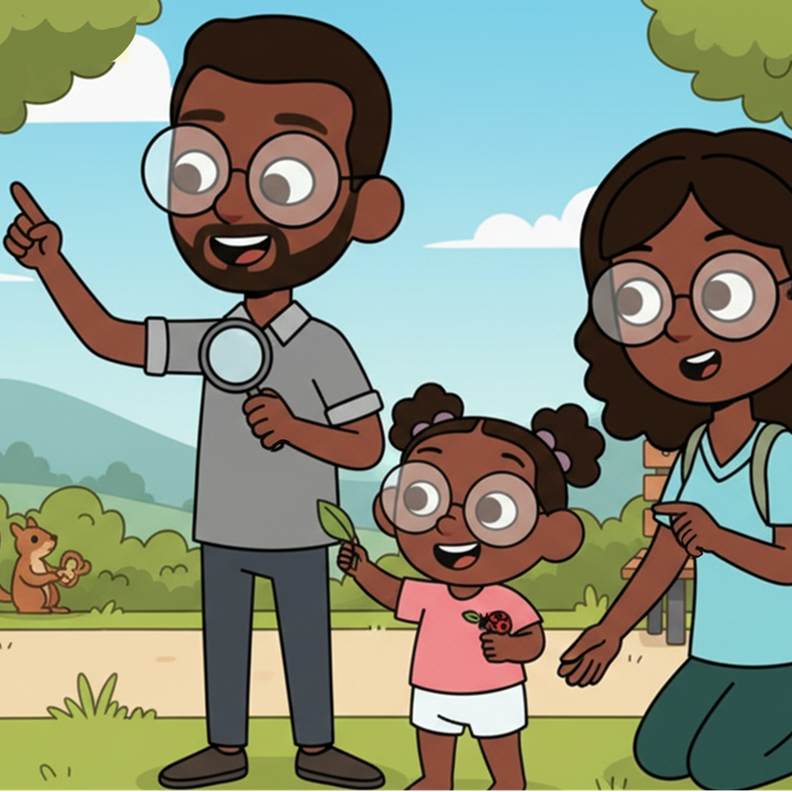
Pairing Language with Visual Cue Cards to Support Meaningful Early STEM Experiences
What if one small shift in your classroom could spark bigger thinking in your littlest learners? Discover how and when you can use visual cues to transform the way young children engage and experience STEM.